Roofing Maintenance in Newcastle upon Tyne
An initial step in building maintenance is establishing a comprehensive roof warranty that covers the first few years of the roof’s life. Even though the roofing contractor is a qualified roofer, owners can avoid many roof issues by following the manufacturer’s and the contractor’s maintenance guidelines. Peace of mind is another benefit of maintaining a roof. When building occupants worry that the roof will leak every time it rains, even a tiny drip in the hallway can cause panic. Regular maintenance can increase confidence in the roof’s ability to protect the inside of the building.
While hiring a maintenance program does come with costs, especially when it is first being developed. Nonetheless, these expenses should be weighed against the risk of catastrophic harm and ultimate replacement of the roof or areas of the building that experienced transient harm due to water damage. Applying a maintenance procedure to an employed contract can result in long-term savings of between 20 and 90 per cent. Consequently, the regularity of the problems associated with any roofing system will be significantly reduced if not eliminated. Contrary to repairs and substitutes incurred every few years, employing a maintenance program that will proactively monitor, retain, and enhance the roof is less costly. Undertaking a comprehensive maintenance plan to make the roof profitable and responsible will pay off for many years.
Importance of Regular Roof Maintenance
Summary Like any other part of the house, roofs require regular maintenance to provide a safe, warm, and dry shelter from the elements. Continuous exposure to various weather and climate conditions, such as heat, cold, frost, wind, and rain, can cause a roof to deteriorate. Just think about how the skin of your hand becomes stiff and rough due to regular exposure to the weather. You should maintain your roof for multiple reasons, and they constitute this guide's purpose.
Types of Roofs and Their Maintenance Needs
In the roofing industry, traditional roofing types continue to sell today. However, before homeowners and commercial building owners replace their old roofs, it would be beneficial to understand the available types of roofs. Understanding the key features of each roof will help guide people on which to purchase when replacing theirs. People should buy a roof that meets their needs and maintenance requirements. Flat roofs are easy to identify, and they are for commercial properties. The roof has a minimal slope, so water can't collect. One of the disadvantages of a flat roof is that leaks can be harder to spot. It will be essential that people periodically inspect and clean their roofs. People should never let standing water accumulate because it could significantly damage the roof's structure. Metal, copper, or aluminium roofs are often used for homes after hurricanes or other environmental disasters. The natural benefits of these roof types are resistance to damage from weather. The most significant disadvantages are that metals can be harder to install, some homeowners' insurance policies don't cover this roof type, and it might not work well in commercial or residential areas with high rainfall or significant sediment. Regular inspections and maintenance will be necessary, as dents and gaps could quickly lead to leaks during a rainstorm.

Flat Roofs
Flat roofs are maintained to avoid water ponding, dirt build-up, damage to the roof structure, and waterproof membranes. If a flat roof is underwater for more than 24 hours, a temporary outlet should be used to prevent overloading the structure. No temporary cuts are placed in the fleece or waterproof membrane. Any dirt building up on the flat roof surface must be washed away. It is essential to ensure the roof drains and outlets are not clogged. Periodically check whether a seal can be detected on the bitumen and waterproof membrane cuts around drains. If not visible, then they have to be resealed. Walkways should be cleaned from dirt, mud, and snow. Storm bridges must be bridged in any roof area where the ventilation system is installed. PV modules, air-conditioning, and air-handling unit supports must be checked at least once a year following any strong gale or hurricane. Foot traffic on a flat roof should be avoided unless it is necessary. When it cannot be avoided, a walkway must be used, or the roofing should be protected with a membrane. Carefully clear snow and ice from the roof, preventing any impact on the roofing. When walking on a heavily soiled roof, follow the safety rules laid down by the regulations or take protective measures using personal protective equipment.
Pitched Roofs
Pitched roofs consist of two diagonal roof areas, with their highest point in the middle connecting two triangular roof faces. Sloping roof surfaces are at least five degrees or one in twelve. This ensures that the rain does not enter the roof but flows into the gutters. Most pitched roofs are also provided with a slope, which means that the proper functioning of the primary protective layer cannot be left to the primary protective layer and must be further protected by a secondary protective layer. Pitched roofs are further divided according to the shape of the slope. There are hipped and jointed roofs. Pitched roofs are mounted on a sloping panel or a sloping panel and additional sloping supports. A slope connection to the roof can be interrupted by a slope connection. The interconnection of two slopes in the form of a trench is more profound than the vault connection, which is hidden in the hill.
Metal Roofs
Taking care of your metal roof is essential, mainly if it is a commercial building, so your customers get an excellent first impression. To avoid corrosion, specialized coatings are applied to these metal panels to protect them. A coating baked onto the panels is an added step with certain coatings. The coating helps to weatherproof the panels, keeping them from rusting. Over time and through mother nature, this does wear away, and it is vital to have your roof repainted with coatings every 10 to 15 years. You will need a professional to paint it and protect it whenever there is any damage to the paint coating. The one roofing system that stands out is the metal roof; ask an expert roofer to install or repair your metal roof. To recover from damage, it can be entirely deconstructed or renovated. Choosing the right roofing system is essential so your building will be correctly protected. A sound roof is necessary for a roof that can safeguard your enterprise and your items from damage and decrease insurance rates. A metal roof expert should contact you today to allow you to get your necessary roofing work done.
Tile Roofs
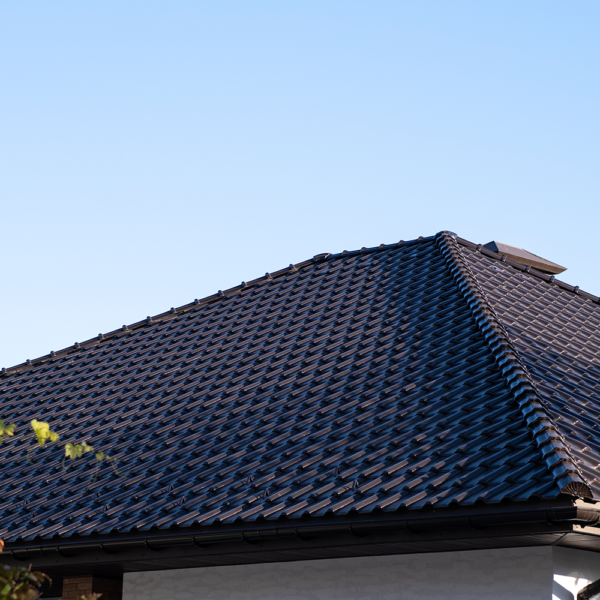
Tile roofing is prevalent in many places and lasts 50 to 100 years. The highest in northern Mesoamerica was first introduced to Spanish settlers in the 1600s. There are primarily curved, flat, or bogged tile roofs. Your roof begins when you pair yourself with decent science and a skilled roofer. The use of tiles is very robust, complex, and flame retardant while making use of them. Indeed, with the ambitious range of colours and types available, roof tiles compete. One of the key benefits of these distinct roofing systems is the numerous panel styles containing tile.
Their weight, often better than other materials, is quite significant. In addition to their weight, this conservation is directly provided by roofing tile. They can be made from clay or concrete tiles. The form of manufacturing also serves as shear mass and weight. Depending on your preferences or the more favourable insulation, tile roofs come in low and high-style choices. While this architectural style looks beautiful with high-end homes, it requires higher upkeep and expense. Although this roofing product has numerous benefits, many individuals might choose the tile that unifies its design and worth. The right roofer will assess this choice with you and the experts.

Common Roof Problems
Delamination and Blistering - Delamination occurs when the roofing material blisters. This will happen when the top and bottom layers are misaligned, causing air to get trapped between the layers. This leads to the growth of vapour pockets, or blisters that eventually result in membrane punctures from normal expansion and contraction, pressure during maintenance, or weathering. Blisters develop gradually; an owner's best defence is to implement a preventive roof maintenance program, including semi-annual inspections and maintenance. Inspection for delamination is done by visual observation, taking note of the formation of irregularities, such as blisters, which indicate that delamination has started to take place in the thermoplastic membrane.
Brittleness - It is common for roofing materials to become brittle over time as a consequence of factors that include varying weather conditions, heat from rooftop equipment, and ultraviolet radiation. The durability of roofing material may also be one of the factors that can cause brittleness. Inspection for brittleness in damaged roofing areas will typically reveal split seams and fabric breaks, loss of existing roof reinforcing materials, broken areas, tiny penetrations, etc. Such damages are considered red flags, and repairs should be made as soon as possible before these lead to leaks, which might then call for several other roof repairs.
Leaks and Water Damage
Neither rain nor sleet nor snow are allowed in your building. We must remain united to abolish all leaks! Be sure your roof is checked yearly by a reputable roofing contractor. There's no way to prevent water from coming through at the flashing penetrations, so prepare accordingly. Metal Flashing Fabricators specializes in preparing these flashings for installers to complete the job as quickly as a wink. Uninsulated roofs are at risk due to condensation. Water is present around the R-value of insulation since vapour always moves from warmer to colder areas.
Moss and Algae Growth
Moss and Algae Growth. Organic matter can cause moisture build-up and subsequent roof deterioration if left untreated. The best way to discourage the growth of moss and algae is to keep the roof dry, either with a mechanical or power fan or through Grade III materials. Embedded organic matter will require either mechanical or power fan washing. Besides maintaining the system's balance of particulate matter and method of cleaning, it is always best to avoid agitating the smooth surface granules from the roof. Any excessive loss of these smooth-surface granules will shorten the roof's lifespan. As soon as possible after a new roof is installed, the removal of debris such as loose nails, planks, or other foreign matter should be accomplished. One of the most cost-effective forms of preventative maintenance is to perform a significant visual roof inspection and wash any embedded organic matter to avoid additional wear to the roof membrane. A second preventative maintenance inspection should be performed in mid to late summer as the effects of early colonizing moss and algae may become evident. If roof discolouration is present, the discolouration may indicate the potential for moss and algae build-up, and measures should be employed to prevent the growth from occurring.
Damaged Shingles
Paying attention to your roof's condition and solving the problem at the beginning stage prevents the repairs from escalating into major damages, incurring significant expenses for the homeowner. Know what to look for before and after a storm.
Granules are found on the shingles' surface, adding weight to them and protecting them from UV damage and direct sunlight. Loss of granules is the result of the weather-induced beating on the roof. The loss of granules' protection may result in rapid deterioration of shingles and shorten their useful life. Shingles' age-induced loosening of these granules makes it not uncommon to see disintegration over time as they experience wear and tear from the elements they are protecting your home from
Punctures and Holes
The likelihood of punctures from roofing equipment, HVAC maintenance, dropping tools, and other human activity is nearly 100% on any flat roof. Early detection and repair of these roof membrane breaches minimize damage. They represent the second of the ten most common commercial roof deficiencies and causes of failure. Punctures are obvious but somewhat rare in commercial practice. They can happen in numerous ways, so the repair may be as simple as applying primer and patching material. An inspection consists simply of walking the roof and looking. Small one-time footprints or indentations around HVAC units, large round dents or scrapes around satellite dish bases, and low wall flashings indicate punctures.
Seasonal Roof Maintenance Checklist
Inspect your roof in the spring to check for any issues during the winter. Look for the following: Loose and missing shingles. Strong winter winds can tear shingles and blow them right off your roof—damage from snow, ice, and hail. Frost and ice can build up on your roof and gutters, leading to water damage and leaks. Sunlight can reflect off the snow and ice and can cause damage to the shingles. Buckling and curling shingles. The temperature fluctuation during the winter can cause the shingles to expand and contract, causing them to buckle and curl. Eavestroughs. Clogged eavestroughs can cause overflow and water damage. Heavy winter snowstorms can cause blockages in the downspouts, too. Unclog eaves, downspouts, and gutters and ensure the rainwater flows away from your foundation through interior and exterior inspection. Inspect the ceilings for water leaks, dark spots, and trails, and look for excessive mould and odours in the attic. Check the exterior paint for blistering, peeling, and cracking, and inspect your roof for mould, algae, and lichen: chimney and other features.
Summer Maintenance
It is also necessary to inspect the flashings at penetrations to ensure they are leak-tight, have maintained their position, and are leak-free. Roof drain inspections are another part of summer maintenance. It is very important to see the drain basin and drain bowl area.
In many areas, sediment deposits and standing water can be found in roof drains. These issues must be maintained to prevent water or ice from backing up under the roofing materials, which can create a roof leak. The membrane can become a positive vapour drive as moisture increases and the roof warms during the day. This vapour drive can cause moisture trapped between the top and bottom plies of insulation to migrate downward. If this moisture accumulates before escaping and dries, it can cause blisters and possibly impact the factored ageing of the roofing system. The summer affects the new changes to the roof system's watershed to maintain protection after reviewing numerous methods that can reduce summertime moisture amounts under the roofing materials by establishing the lowest levels of moisture found for each roof type and roof system design options considered.
Autumn Maintenance
The same advice is also applicable to regular roof inspection activity. Those beautiful autumn leaves may be wonderfully picturesque, but they are not harmless. Leaves, mainly when a roof is moist, can create a perfect place for several problems. Fungi, mould, algae, and even plant growth are all possible with the right conditions. Clear off leaves. Waterproofing the roof covering materials will help reduce potential leakage problems. It's better to have the late-fall leaves safely tucked away in lawn bags than scurrying around the rooftops during storms. Check flashing conditions; a good-looking roof does not always mean everything is fine. Reviewing how the latest hot summer weather may have affected the roof condition is also good. This is a good season to schedule and get raves and heat retention, plus all the other factors that will reduce your utility bills and retain comfort. A little time invested now may help avert major associated problems if roofs are not functional when the weather worsens. Following these recommendations can ensure efficient and effective heating and ventilation.
Winter Maintenance
A commercial roofing system will endure severe conditions during the wintertime. Consequently, its welfare relies on the kind of roofing system, its installation, and winter maintenance precautions. All commercial roofing components, including adhesives, layers, and fasteners, are fabricated to withstand very low temperatures in colder areas. However, due to the numerous, exciting, and creative commercial roofing applications, installers sometimes deceitfully state that specific roofing solutions are immune to the seasons. Winter roof installations are not recommended and are risky due to potential damage from lifting caused by wind gusts, the possibility of a harmful slip and fall, and difficulties in attaining a consistent tear-off and dry deck preparation for ensuring a correct installation.
The most critical factor to consider about the existing commercial roofing system in the winter is a roof's durability against snow, ice, and heavy moisture. A flat commercial roof should be designed to bear significant weight-to-volume quantities. In most cases, a current and correctly installed commercial roofing system can endure the presence of snow and moisture.

Roof Maintenance Services Offered by CJB Roofing and Repairs
Here are the primary roof maintenance services offered.
Inspections: We inspect roofs to identify potential issues that need to be addressed so a few years can be added to your roof's lifespan. Keep Accurate Records: After a roof is installed, every warranty requires documented scheduled inspections and maintenance work at 1-4 month intervals.
Leak Detection and Repair: We locate and repair leaks promptly so you avoid expensive repairs caused by water damage. We also perform preventative maintenance to reduce the risk of leaks.
Roof Cleaning removes unsightly and damaging organic matter, like algae and moss, which feed off a limestone filler used in most asphalt shingles and can ruin your roof. Cleaning algae and other organic matter prolongs shingles' life span, keeping them in better condition. Preventing the Decline: If the organic matter is not removed now, it can clog your drainage and shorten the life of your shingles.