
Chimney Repairs
Most homes have chimneys, and they will require repair at some point in time. Chimneys are essential for ventilating smoke, waste gas, and burning bad air during the burning process in fireplaces, stoves, and other heating devices. Chimneys have been around since the 12th century, with some being as long as 32 meters to ensure good draft and avoid the accumulation of smoke inside the home. Chimneys are generally vertical to ensure the gases flow smoothly, but as they are exposed to the effects of the weather and buildings move, they deteriorate, and repairs are required. Since most chimneys have been around for some years, it is often the case that old components and methods that are no longer allowed were used in the construction of the chimney.
The weather is the largest factor in the requirement for chimney repair, with constant exposure to high temperatures from direct flame and combustion gases, acidic gases, condensation, high humidity, and soil. The freeze-thaw cycle, in particular, has the potential to seriously damage a flue lining. When it comes to brick chimneys, water has the potential to cause freeze damage and deteriorate the mortar. Penetration of water into the chimney can cause the metal components to rust, which results in the structure becoming unstable. Proactively addressing any water-related problems can ensure chimneys last a long duration.
Common Chimney Problems
As we know, chimneys are very important in our homes; most people seem to think they are indestructible. The truth is that they are far from it. Over time, the weather, animals, and wear and tear can cause the chimneys to not work properly. The most common problems with chimneys are: bricks falling from the top or sides of the chimney, mortar joints that are damaged, chimney crowns that are cracked or damaged, damaged rain caps, and flashing on the chimney that is torn or damaged, as well as water stains and water entering the home. These are all reasons to call a good bricklayer specialist or a general contractor who can, if necessary, remove the estimates of tiles and repair the damaged tiles. One thing is certain: as soon as you notice a potential threat to the roof, it is necessary to deal with it immediately. Prompt action, proper materials, and good craftsmanship can protect the family, property, and customers from damage and ensure an attractive home for years to come. Flashing on a chimney takes a beating every day from the weather. When wood and mortar expand and contract due to extreme temperature changes, this often results in the breakage and displacement of the metal. When the mortar and bricks on a chimney are damaged, the draft may not work. The mortar acts like cement; in effect, it retains the bricks that fall out of the chimney. Loose bricks combined with weak mortar joints can put your family or coworkers at risk. If by chance a brick falls from the roof of a building, injury, damage, or even death may occur. Small animals such as raccoons, birds, and bats enter the chimney and can cause problems such as clogging the chute with nesting, leading to no ventilation. The presence of small animals in the chimney can be easily solved by installing a cap or replacing the old one. It also eliminates the presence of water in the fireplace.
Chimneys are often neglected during house maintenance, a fact often overlooked until major problems are encountered. Most chimney faults occur at the junction of the chimney stack or the chimney pot with upper-level brickwork. Many chimney problems and their signs can be identified from ground level, without any work being done; but it is essential to understand what these problems are likely to be and how they can be corrected. This section helps you decide whether you need professional help or whether you could carry out some work yourself. When examining your chimney stack and pot, there are several potential problems to look out for: check for cracks and damaged or eroded bricks. It is essential to identify whether the damage is simply superficial, structural damage, or if it is caused by water and other guttering problems.
Cracks and Damage
Cracks in the brickwork of the chimney will allow water to penetrate the physical structure of the stack, eroding the mortar holding the bricks in place. The freeze-thaw action of water on the bricks expands the extent of the crack as more water penetrates. Cracks in a chimney are therefore a primary cause of water ingress and the resulting structural problems. Hairline cracks, less than 1 mm in width, are usually superficial and can be easily and permanently repaired with a small amount of mortar or sealant. Wider cracks present a greater problem, as they are an indicator of more serious structural damage and will require the close attention of a professional. Simply filling in a wide crack with mortar will only provide a temporary solution.
Loose or damaged bricks can easily be identified by tapping them lightly with a solid object; if a dull sound is produced, the brick is loose or otherwise damaged. Loose or damaged bricks are cause for concern, especially if they are near the top of the stack or pot; their immediate removal and replacement is essential to ensure they pose no threat to an individual or property if they fall. If loose or damaged bricks are located near the top of the stack or in the cap of the pot, professional help will be required, as there is a risk of the stack or pot becoming unsound. Disrepair of chimney stacks located high up on the roof, chimney stacks are often neglected by homeowners, for they are easily forgotten. Weathering and erosion of the pointing and mortar render are common problems; during the average life of a house, the chimney stack should be repointed at least once, along with a transplant of bricks and removal of old TV aerials. Although the stack is primarily a functional part of building regulations, chimney stacks add many attractive features to the façade of a house, and they can be rendered, pebble-finished, or cladded in tiles if well maintained. Consequently, remember to inspect your chimney stacks regularly and take quick action when faults or breaks appear.

Deteriorating Mortar
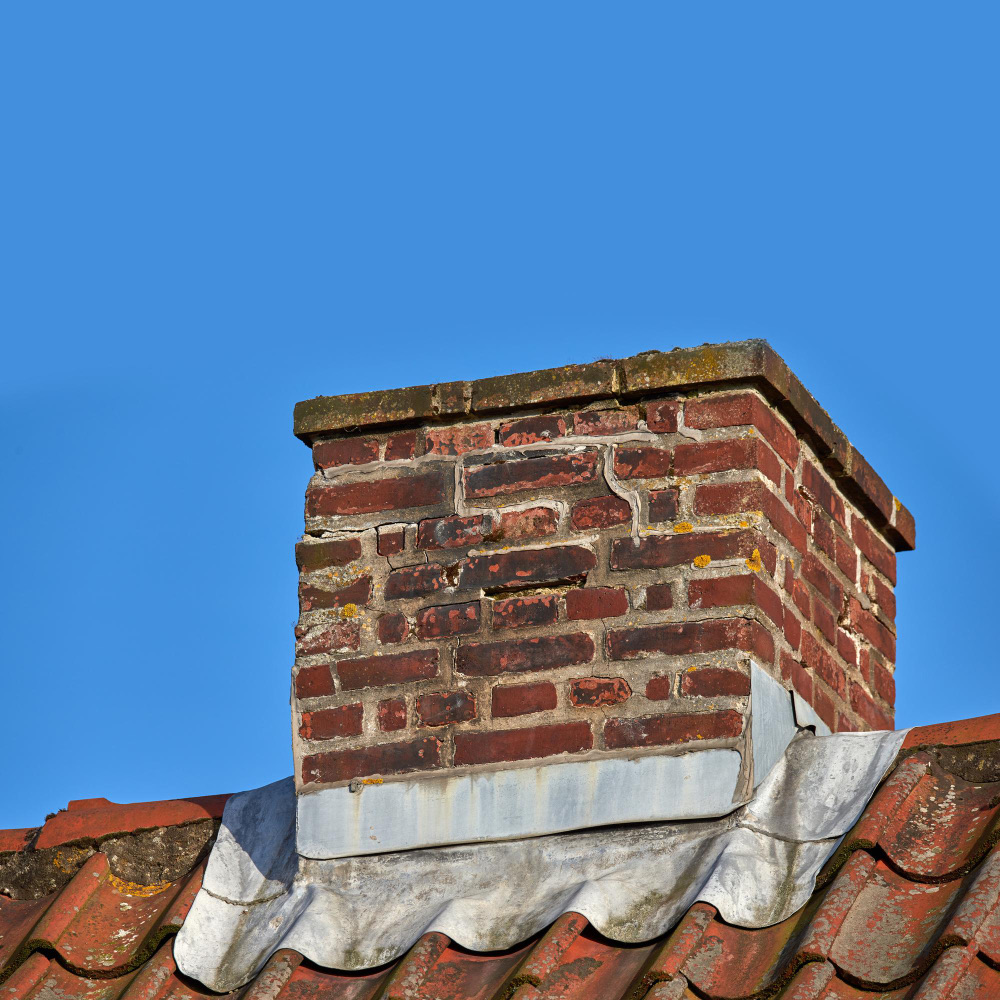
As the chimney of your home comes into direct contact with the elements, rain, snow, hail, and even frost can potentially damage your chimney. After repeated exposure, the mortar will start to deteriorate if left unchecked. Mortar is a crucial part of constructing your chimney stack as it holds the bricks or stonework together, creating a stable structure. However, the mortar can buckle, crack, wear away, or even fall out entirely if the brickwork is not maintained. Loose, damaged, or missing mortar can lead to the loss of structural integrity and potential tilting or leaning, ultimately resulting in the chimney collapsing.
Brick chimney repair should be a regular part of your chimney’s maintenance. It’s important to check for mortar deterioration from time to time, especially after bouts of severe weather. Approaching a suitably qualified contractor experienced in chimney repairs can help you identify potential problems and can repair and maintain your chimney at the appropriate times. Brickwork can also be damaged by thermal cycle damage, which involves alternating heating and cooling of the bricks and thermal expansion differences between brickwork and the mortar joint. These cracks need to be expertly repaired rather than ignored, as they can let more water into the body of the chimney stack, further damaging it.
Flue Blockages
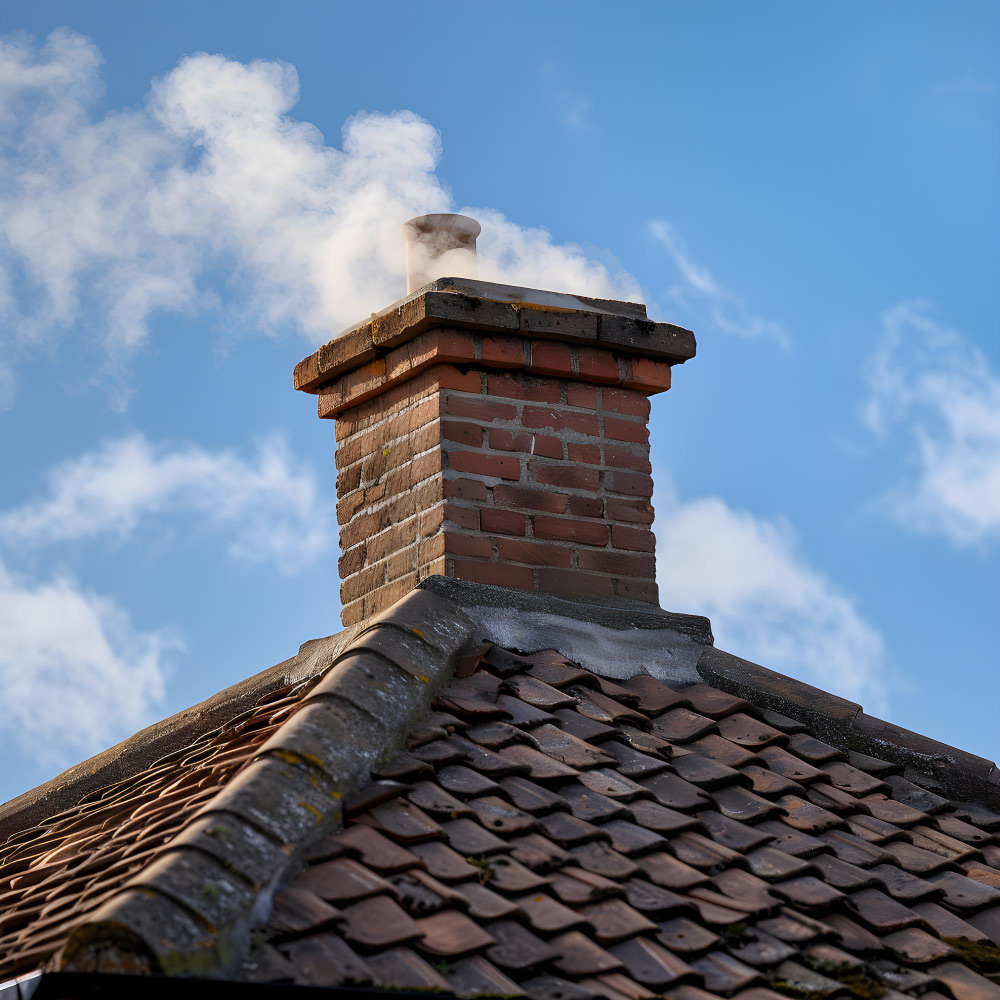
A flue is another name for a chimney. Normally, to prevent blockages, flues should always be capped. Frequent blockages occur as a result of nesting. Cremated residue and soot build up over time, causing blockages. Blockages are recognized by high smoke levels, a strong smell of smoke in the home, and smoke flows carrying debris in the fireplace. Such a blockage will end after continually opening windows. Close the flue and telephone a certified chimney sweep to organize a thorough cleaning. If there is a fire, do not use water to extinguish it as the steam it produces could crack the flue lining, allowing smoke to enter your home.
Install chimney caps on all chimneys in all new homes to block debris from trees and animals from getting inside the chimney. Clean the flue regularly during the burning season as accumulation can cause blockage. When using a chimney, always open a window in the room to provide fresh air. Ensure that the fuel you are using is properly seasoned to avoid excess creosote buildup. Do not use the fireplace when there is a flue drawing.
Signs You Need Chimney Repairs
If you live in Newcastle upon Tyne and you have a fireplace in your home, it's important that you check your chimney on a regular basis. The last thing you need is to leave a problem that could be easily fixed and be left with an expensive fix that might have only been a minor issue a few months ago. If you're not quite sure what to look for, or why, it's likely that you could use a helping hand; we've compiled a list of issues that we can deal with.
It's easy enough to simply look at your chimney and see if there are any obvious issues or if there are any signs that there might be problems that need to be addressed. The most obvious is if you notice any debris at the bottom of your fireplace, and equally noticeable is if there's a blockage of some sort, like a bird's nest. Try looking at the brickwork of the chimney; if you notice any cracked, broken, chipped, or even missing bricks, you cannot afford to ignore the problem. If you're not sure about the damage you've found, we'd advise getting in touch with us sooner rather than later. If you've noticed any water leaking into your home from the edge of the chimney or from the ceiling of your fireplace, that's a telltale sign there's a problem in or on the chimney itself. Equally, so is a musty smell, particularly if it's during the warmer months of the year. If you have any worries about your chimney, get in touch with us and we'll check it for you.